Everyday life
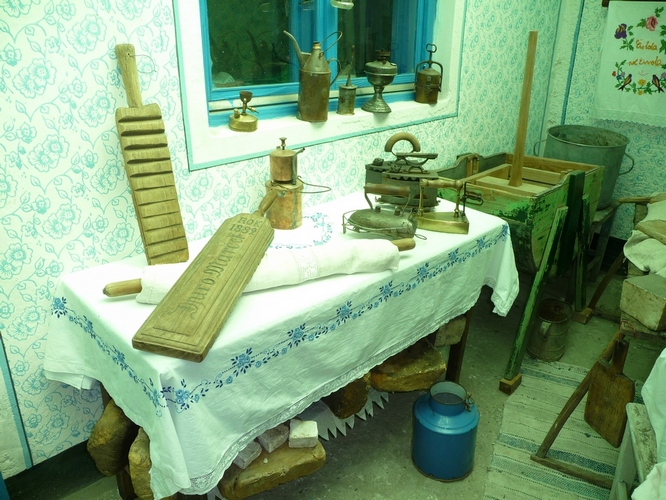
The kitchen, furniture, cookware and personal belongings restore the rhythm of a Slovak home in the early 19th century.
Padina · Banat · a home since 1817
Step inside a Slovak home that has safeguarded the everyday life, skills and memories of one community for more than two centuries.
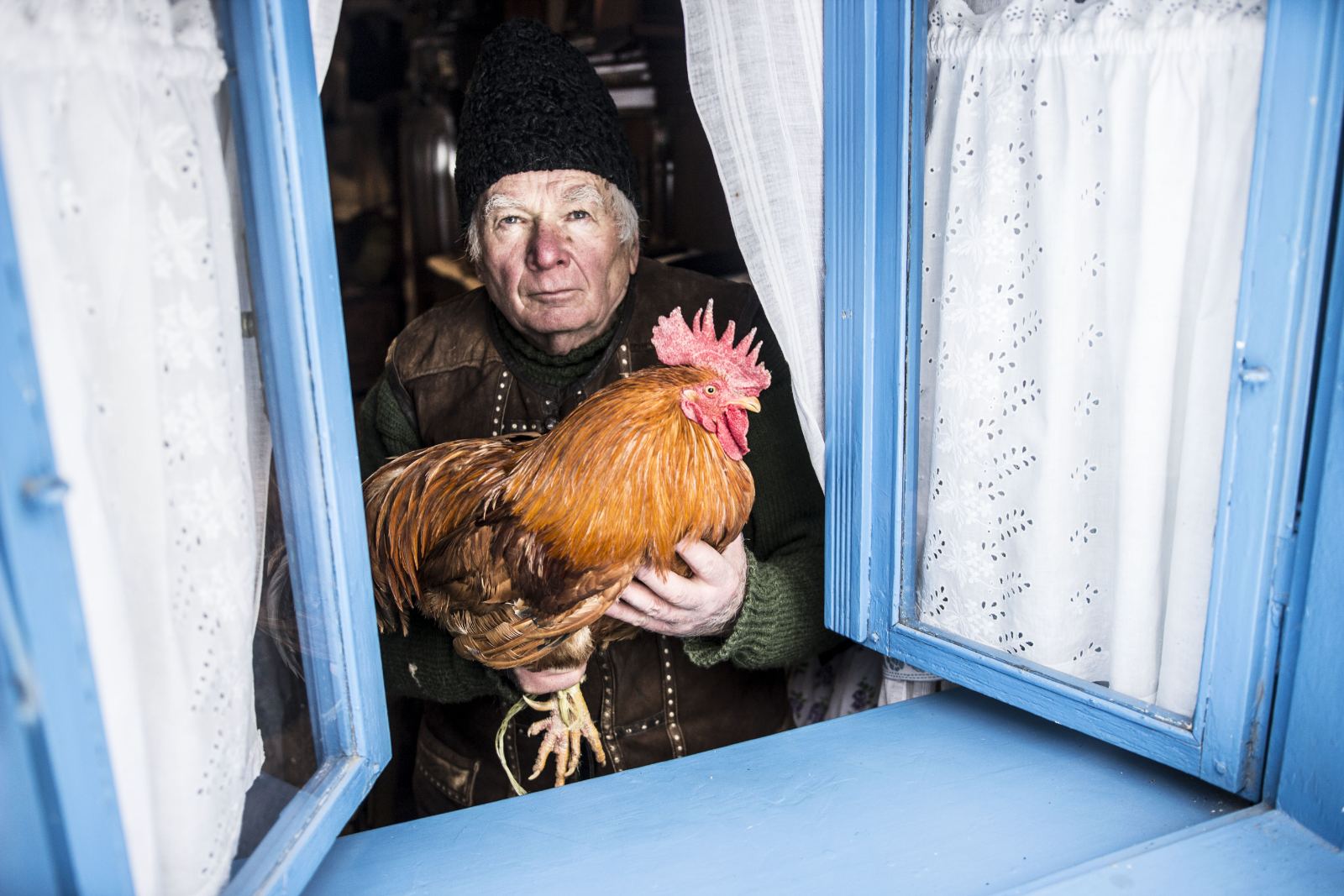 Pavel Petraš · founder and owner of the museum
Pavel Petraš
Pavel’s interest in Padina’s past began in childhood. He remembered the tools he saw in homes and workshops, and during winter gatherings he would often leave the other children to listen to the elders. From them he learnt how people had once lived and worked, and how the Slovaks had come to Padina.
The first objects were not collected for display — they belonged to the family. Pavel’s mother was a skilled embroiderer who made and decorated bonnets, caps and skirts for the young women of Padina, while preserving things handed down by earlier generations. This is how the family furniture, his great-grandmother’s dowry chest, an old loom and embroidered towels that had never been used survived.
Pavel’s wife also shares in caring for this inheritance. Her crochet and the pieces she preserved add to the museum’s textile collection, while she learnt old recipes and traditional ways of serving food from Pavel’s mother. From the outset, the museum has therefore been a family undertaking, rooted in knowledge passed on at home.
“What was said did not fall to the ground. I picked it up.”Watch the interview
The house at 11 Lenjinova Street
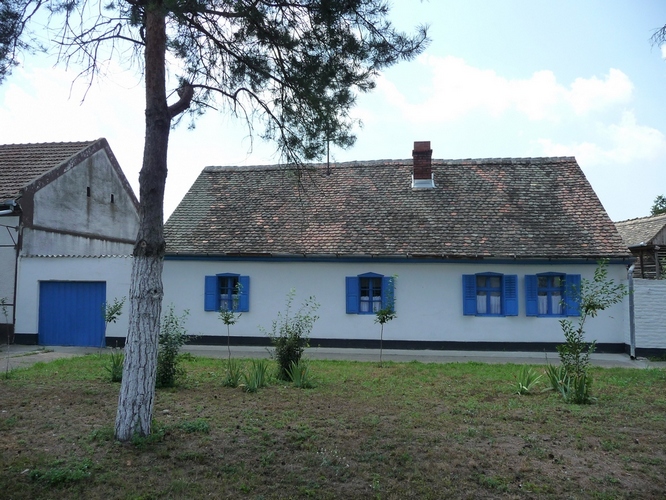
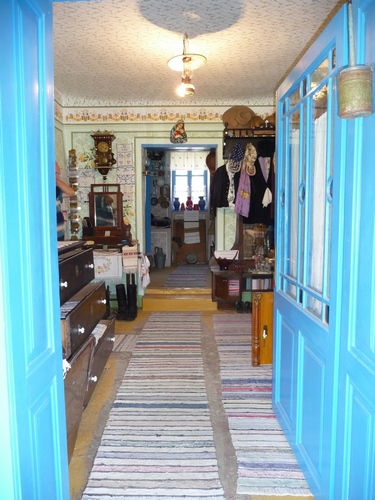
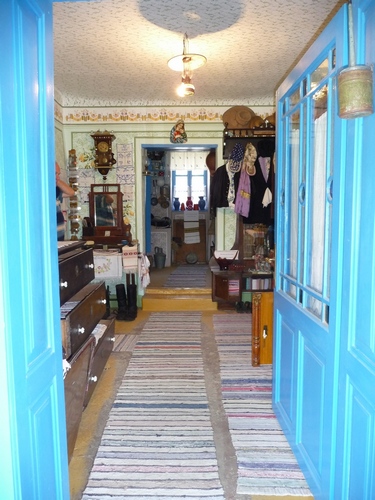
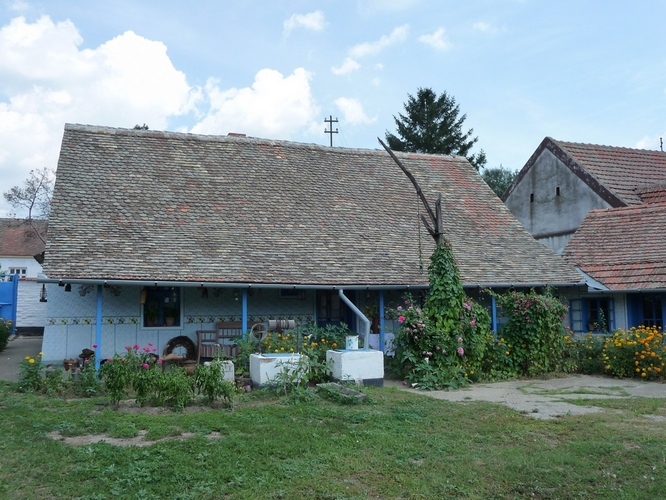
The collection found a permanent home in the house at 11 Lenjinova Street, built in 1817. Pavel bought it in 2006, restored it and adapted it for preserving and displaying the objects. Its former living rooms now allow visitors to see the everyday life of Padina’s Slovaks in the setting to which these objects belonged.
Over time, the family collection became a collection shaped by the whole village. Residents contacted Pavel when they found an old object at home that they no longer used; he would come to examine it and record what it had been used for. The museum now holds more than 30,000 objects. Its oldest dated pieces include a church book from 1770, a straw-cutting knife from 1830 and a loom from 1845.
The displays continue to change. Each year brings a new theme — from Padina shirts, bonnets and aprons to crochet, agricultural tools and soap-making. Pavel opens the museum whenever visitors get in touch, and says that no one who has reached the gate has been turned away without seeing the collection.
Explore the exhibitions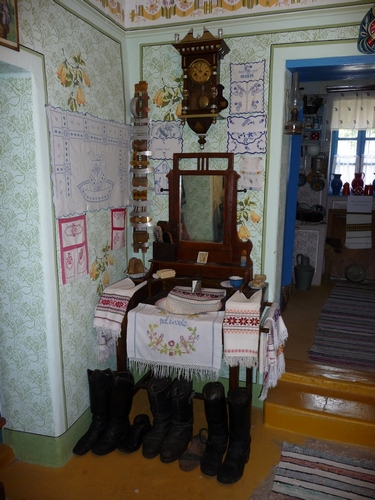
Heritage in every detail
Every room holds another layer of life: work, celebrations, dress, food and the quiet rituals of the everyday.
Heritage in every detail
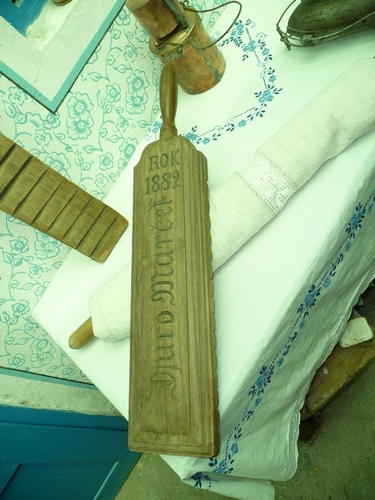
These objects are not silent witnesses. They sit in the spaces where they belong, ready to tell how people lived, worked and created.
The kitchen, furniture, cookware and personal belongings restore the rhythm of a Slovak home in the early 19th century.
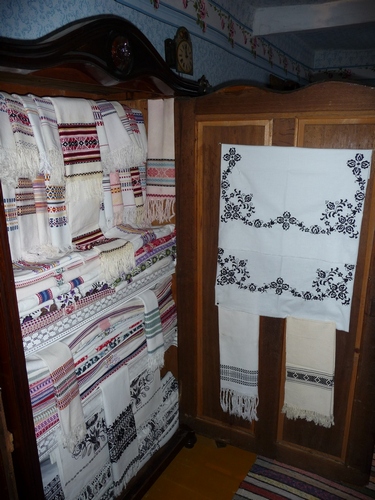
Weaving, lace, traditional dress and distinctive white embroidery reveal skills passed from one generation to the next.
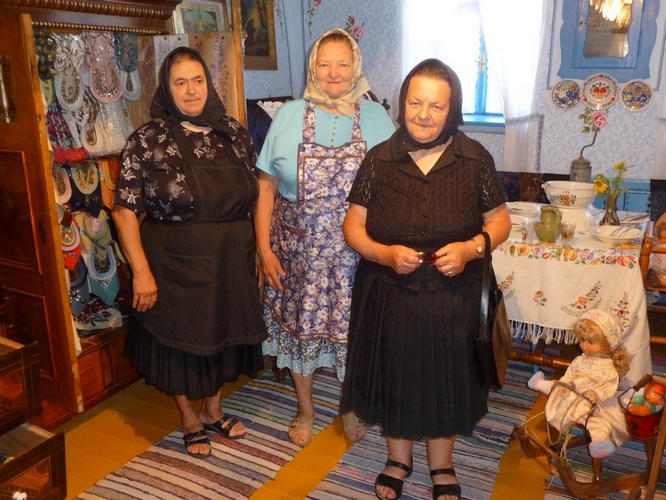
Themed exhibitions and demonstrations of old crafts, from broom-making to needlework, connect the collection with the present.
Collection and exhibitions
The objects are arranged in thematic exhibitions that change throughout the year. Everything you see comes from Padina and neighbouring Slovak villages in southern Banat.
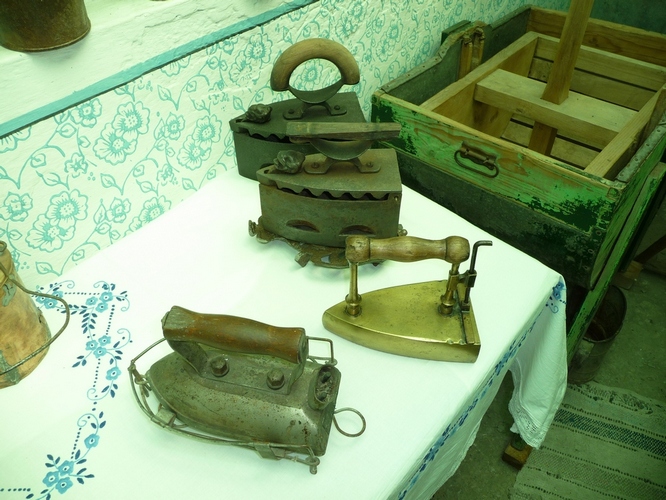
Tinkering came to Padina with Slovak craftsmen who, from the late 18th century, travelled between villages binding cracked pots, sieves and cookware with wire. As a boy, Pavel Petraš learnt from the masters who came to mend household vessels; around 1950, some settled in Padina. The exhibition preserves their steel wire, pliers, anvil, shears, sheet metal and sal ammoniac.
Crochet reached Padina in the late 19th century and soon became an essential decoration in both dress and home. Hemp, cotton and later silk were worked into nets, borders, mats and curtains with geometric and floral motifs. The exhibition presents both the technique and finished pieces from Padina homes.
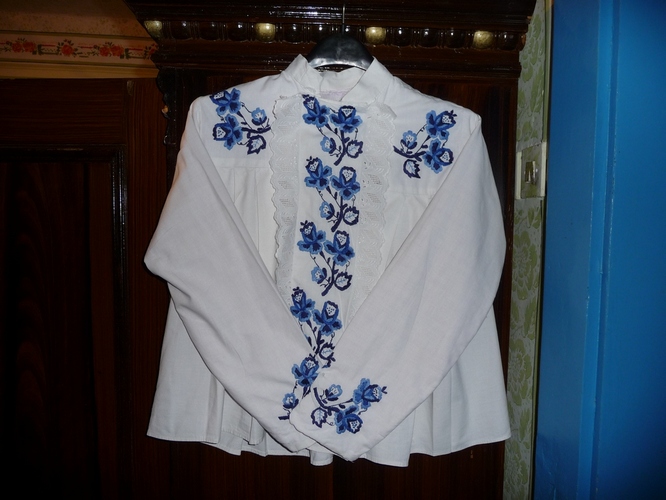
Traditional dress is the collection’s most recognisable subject: white shirts with blue embroidery, waistcoats, skirts, headscarves, sheepskin coats and footwear. The display distinguishes festive from working clothes and follows how the same garments changed across generations of one household.
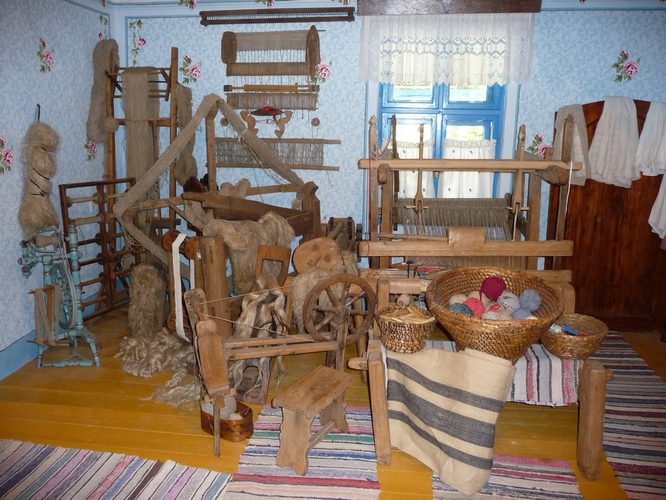
The display takes visitors through every stage of wool processing with original spindles, combs, a loom and finished felted coats. It is one of the most requested exhibitions because the entire process can be understood in a single place.
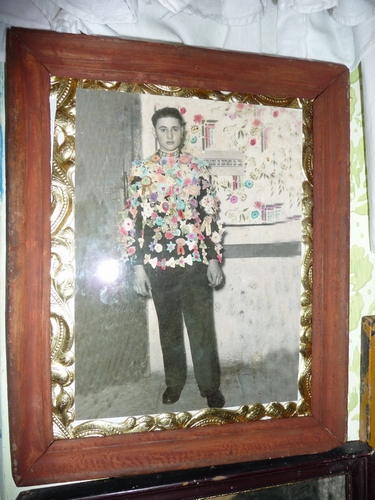
This exhibition brings together objects Padina families preserved through two world wars: letters, uniform pieces, tools, cookware and photographs. It shows how war entered the life of an ordinary village household.
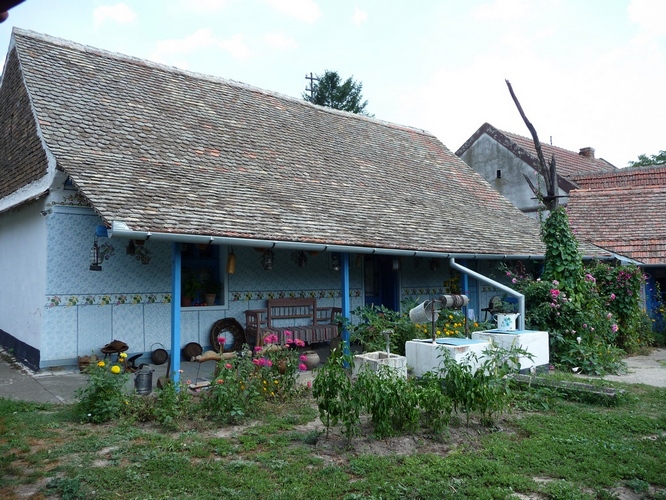
The display follows the agricultural year: sowing, mowing, harvest, slaughter, winter work and festivals. Tools and objects are arranged as they would have stood in a household during each season.
Look a little closer
From blue windows and embroidered linen to objects that still carry the touch of the hands that owned them.
The story of a place
The first eighty Slovak families reached Padina in 1806, followed by a second wave in 1808. They brought their language, faith, books and skills — and began again on the edge of the Deliblato Sands.
Water was their greatest hardship. The village has no river or spring, and sand made deep wells difficult to dig. When new wells were completed in 1817, water was raised by a horse- or ox-powered mechanism resembling a grain mill. This is the origin of Padina’s story of ‘milled water’ — a symbol of the endurance of a village that has preserved Slovak language and culture for more than two centuries.
“Stories of settlement, water and work remain part of everyday speech here.”
Welcome to Padina
This is a family museum, and a visit is at its best when we have time to guide you through the story. Get in touch beforehand and we will arrange a time.
View on the mapBy prior arrangement
Email us ↗